
Japan Multifamily: Why Global Capital Keeps Coming Back
Japan's population is falling — but Tokyo and Osaka keep growing, and renting is the default for half their households. That gap between demand and a constrained supply pipeline is what's kept global institutional capital flowing into Japanese multifamily, even as yields thin.

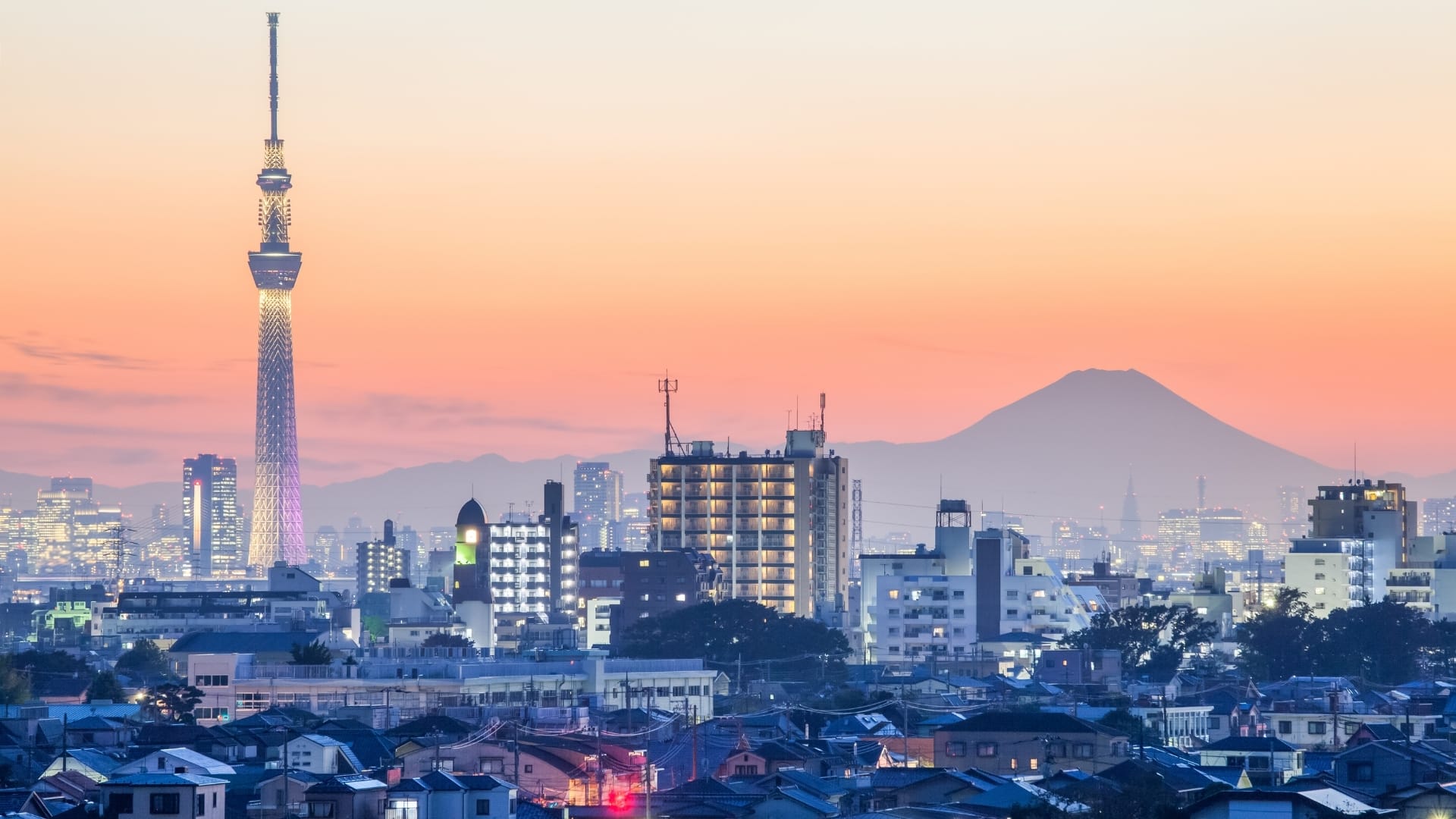
The best argument against investing in Japan is also the most misleading one. The population is falling. What that headline hides: CBRE puts home ownership in Tokyo's 23 wards and Osaka at roughly 50%, and Savills recorded Tokyo rents rising 7.3% while new rental construction ran well below its last peak. Tokyo and Osaka, meanwhile, have continued to grow. That gap is what has drawn capital into Japanese multifamily in recent years.
Not just Tokyo, and not the Tokyo you are picturing
Say Tokyo property and most people think Shibuya, Shinjuku, Minato. But Savills recorded Tokyo's central five wards losing 1,800 people in the first quarter of 2026, while 3,500 moved to areas outside the centre, up 62% on the year before. Cost pushed them out, and they moved one ring out rather than leaving. So the opportunity was never central Tokyo alone. Osaka shows the same pattern: Savills puts renters at around 55% of households there, in a city still drawing people from across Japan and abroad. In both, demand for rental housing has grown faster than new supply, which has supported occupancy and rents.
Renting in Japan is a young, urban default
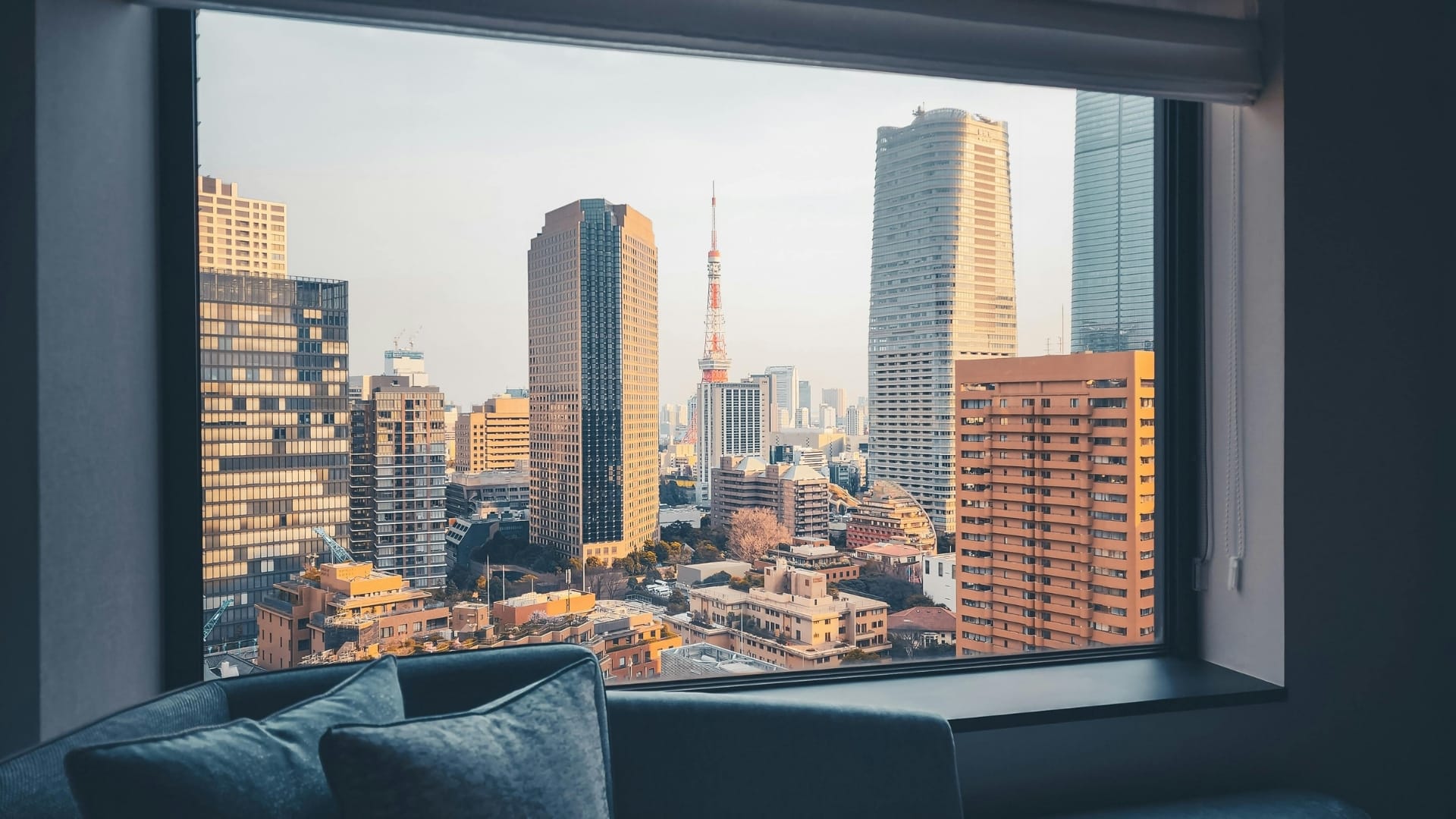
In Tokyo's 23 wards and Osaka, CBRE puts roughly one in two households as a single person living alone. Most renters are young: Brookings puts renting at 82% of households headed by someone under 30 against 9% owning, reversing by age 60, when around 80% own. The base refills as each generation ages out. CBRE also notes city ownership sliding as prices and rates climb out of reach, so the same rate rises that concern property investors are pushing more people into renting. About 30% of rental homes are studios, while households with two working adults passed 13.33 million in 2025. A durable tenant base, a constrained pipeline, and stock built for a smaller life than many renters now want. That mismatch is what institutional capital has been responding to in recent years.
What Japan's multifamily market actually looks like
Residential used to be a niche in Japanese real estate. Not any more. According to CBRE, Japan recorded the highest commercial property transaction volume in Asia Pacific in 2025, at ¥6.5 trillion across all commercial property, up 31% on the year. Residential reached a record ¥994.9 billion on JLL figures¹, and around 78% of transaction volume went into Greater Tokyo and Greater Osaka².
2026 has not slowed. Japan took US$25.3 billion in the first half, second only to China among Asia Pacific markets, on Colliers figures, and residential volumes were up double digits year on year in the first quarter, per CBRE. Bloomberg has reported projections of a second consecutive record year, though projections are not outcomes.
There is very little slack in the market. On Savills figures, Tokyo rents rose 7.3%, and 9 to 10% in the most central wards, without occupancy giving way: 96.8% of rental homes across the 23 wards were occupied in the first quarter of 2026. Supply explains why it held, with new rental construction running around 22% below its 2016 to 2017 peak³. Growth has since cooled to 3.3% year on year, still positive but well off the prior year's pace.

On the same data, Osaka runs the pattern more gently: rents up about 2.6% a year since 2019 and 3.1% in 2025⁴, with occupancy above 96% in each of the last five years⁵. The city also hosted the World Expo through 2025, and how much of that demand persists now it has ended is an open question.
All of which is favourable for existing owners and expensive for buyers. CBRE's cap rate survey shows Tokyo residential yields unchanged through both the first and second quarters of 2026, even as office and hotel yields hit fresh record lows. Newly built blocks near stations are scarcer still, and price accordingly.
Something else has moved. Japan's ten-year government bond yield touched 3.0% on 1 September 2026, its first time there in three decades, and sits near 2.99% at the time of writing, up nearly 1.4 points over twelve months. The gap between what a building earns and what a government bond pays is the compensation for taking property risk, and it has narrowed sharply in a year without property repricing. Savills IM modelling suggests Japanese yields have historically tolerated that until roughly a 3.8% risk-free rate. There is still room on that measure, but less than there was, which makes entry pricing more consequential than it was two years ago.
Which raises the obvious question. Yields are thin, the Bank of Japan has been raising rates, and pricing has held. So why has capital continued to flow in?
Why foreign capital keeps buying Japanese multifamily
In most developed markets, debt currently costs more than the building earns. Japan has been the other way round: yields are thin by global standards but borrowing costs have been thinner still, so debt has added to equity returns rather than dragging on them. And because Japanese rates sit well below American or Singaporean ones, hedging yen back into dollars has paid investors that differential rather than costing them.
In recent periods that has meant a hedged, leveraged yen position could return more in dollars than the building returned in yen, a combination that has been uncommon elsewhere for income-focused mandates. Both advantages derive from the gap between Japanese rates and everyone else's, and the Bank of Japan is closing it.
The domestic bid for Japanese rental apartments
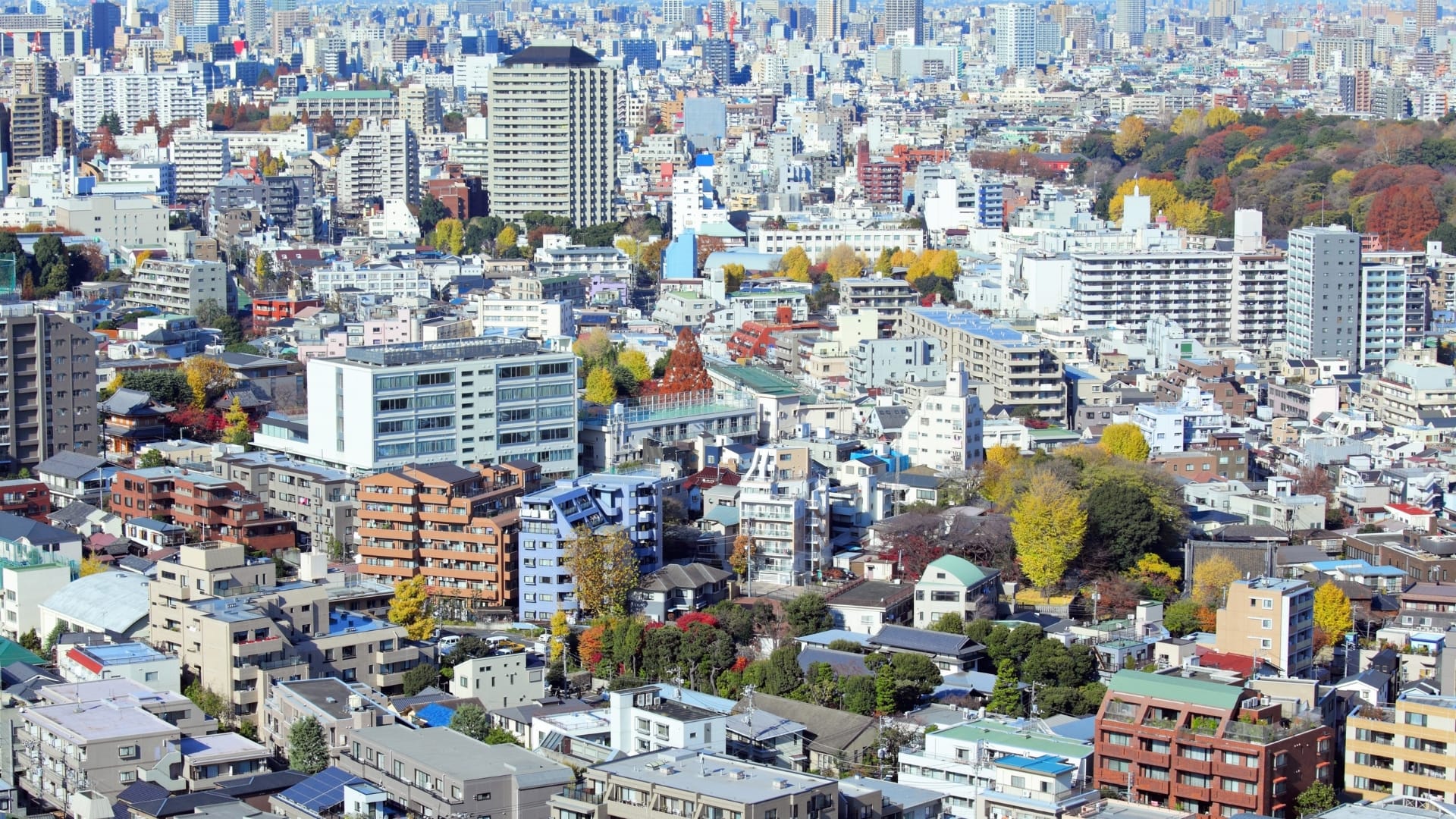
Japanese household wealth sits overwhelmingly with older generations, much of it in cash. PwC puts the top inheritance tax rate at 55%, and cash is assessed at full face value. A leased apartment building is not. It has historically been valued for inheritance well below cost, with the acquisition loan deducted at full value. In one reported case, a Tokyo building bought for ¥2.1 billion in 2019 was assessed at ¥420 million when it passed on.
That has created a long-standing pool of domestic buyers treating rental housing as estate planning first and income second. The effect runs both ways: these buyers are a significant reason yields sit as low as they do, which raises entry prices. They have also historically provided demand largely independent of the property cycle. From January 2027 the rules tighten for property acquired within five years of death. Longer holdings are unaffected, so the change is expected to shift timing rather than remove the incentive. Tax rules are subject to further change, and any change may affect these outcomes.
Foreign capital has been able to access terms currently unavailable in most of the developed world, and domestic capital has historically provided a bid on exit. That combination is what has drawn capital back to Japan even as the national population declines.
That capital is not theoretical. In August 2026 Brookfield, one of the world's largest alternative asset managers, bought 50 rental buildings holding 3,700 apartments across Greater Tokyo, Greater Osaka, Nagoya and Fukuoka for more than ¥100 billion, acquiring the portfolio from JP Morgan. It was Japan's largest residential transaction of the year. The buildings were 96% occupied, under four years old on average, and weighted towards compact units for people living alone. Brookfield described multifamily as “one of Japan's most compelling real estate sectors, underpinned by long-term urbanisation, resilient housing demand and constrained new supply,” and has committed over US$10 billion to Japanese real estate across five years. In April, Invesco acquired 13 newly built Tokyo blocks holding around 540 apartments, in Shinagawa and Taito rather than the central wards, citing population growth among younger working-age residents as support for rental demand. Two of the world's largest property investors buying a similar profile: new, compact, well-connected apartments.
These transactions are illustrative of recent market activity. They are not recommendations, and they do not imply that other investors would achieve similar outcomes.
Not every building in these cities is the same trade
Tokyo and Osaka are not single markets, and that narrow profile is also where the deepest pool of buyers sits. Station access, building age, unit size and ward all affect rent, and they affect who is willing to buy the building next. An older asset, further from a station, or in a ward institutions are not targeting, may still let well while facing a much shorter list of buyers at exit.
Japan's urbanisation trends have persisted in recent years. Identifying which properties will still attract buyers, and gaining access to them, is a separate challenge. That is the gap RealVantage aims to close, providing individual investors with access to vetted, institutional-grade real estate across Singapore, Hong Kong, Japan, Australia, the United States and the United Kingdom.
Sign up for a free account to explore the current deals. Viewing available opportunities does not constitute an offer or a recommendation to invest.
Everything described in this article reflects conditions at the time of writing and may change. Interest rates, currency, rents, occupancy and pricing can all move against an investor. Past performance is not indicative of future results. Nothing in this article constitutes investment advice, a recommendation, or an offer to buy or sell any investment.
Sources
¹ JLL, Investment Market Dynamics, 1Q 2026
² JLL, Investment Market Dynamics, 1Q 2026; CBRE, Japan Investment MarketView (transactions of ¥1 billion and above)
³ Real Estate Economic Institute and Ministry of Land, Infrastructure, Transport and Tourism (MLIT), new dwelling starts data
⁴ Savills Japan, Osaka residential rental data
⁵ Savills Japan Residential Leasing; ARES J-REIT residential occupancy data
About RealVantage
RealVantage (operating as RV SG Pte. Ltd. in Singapore) is a leading real estate co-investment platform, licensed and regulated by the Monetary Authority of Singapore (MAS), that allows our investors to diversify across markets, overseas properties, sectors and investment strategies.
The RealVantage team comprises professionals across real estate, corporate finance, technology, venture capital, and startup growth. The platform combines institutional deal sourcing with structured underwriting and portfolio diversification capabilities. The team is led by a distinguished Board of Advisors and advisory committee who provide cross-functional and multi-disciplinary expertise to the RealVantage team.
The company's philosophy, core values, and technological edge help clients build a diversified and high-performing real estate investment portfolio.
Get in touch with RealVantage today to see how they can help you in your real estate investment journey.
Disclaimer: The information and/or documents contained in this article do not constitute financial advice and are meant for educational purposes. Please consult your financial advisor, accountant, and/or attorney before proceeding with any financial/real estate investments.