

Beyond Tokyo: Where Japan's Growth Is Going.
For thirty years, Japanese property was where money went to sit still. Prices drifted, rents did not move, and an entire generation of investors learned to look elsewhere.
That has changed, and not gently. Land values have now risen five years running. Japan hosted over 40 million foreign visitors in 2025 who spent ¥9.5 trillion. The world's largest contract chipmaker built a factory there. AI data centres are going up across the country.
Booms in Japan have always started in Tokyo, and this one did too. But Tokyo filled up. It ran out of homes people could afford, with a net inflow of 3,500 people into areas of Tokyo Prefecture outside the 23 wards in the first quarter of 2026, up 62% year on year. Then it ran out of hotel rooms. Then it ran out of electricity. So the growth went looking for room and found it in cities and towns across the rest of the country.
Cities outside Tokyo are growing fast
Fukuoka, on Japan's southern island, has grown at every national population count since 1920 and expects to peak around 2040. It is a long-established university town, and the city has spent a decade actively pulling in new businesses.
Tourists have discovered the rest of the country
Those 40 million visitors spent 16% more than the year before, with accommodation spending alone up almost 27%. Some of that growth is landing well away from the famous destinations. Hakuba, a ski village in the Japanese Alps with a permanent population smaller than one Singapore housing estate, saw commercial land values rise 35.6% in the year to 1 July 2026.
The AI build-out is landing in the regions
Data centres need enormous amounts of power, and JLL estimated in 2025 that connecting a new data centre to the grid in the Tokyo area can take eight to ten years. Nobody racing to build AI capacity waits a decade. Tokyo and Osaka remain Japan's main data centre hubs, but JLL points to Hokkaido and Fukuoka as locations drawing new development, Hokkaido for its renewable generation and cool climate, Fukuoka for its proximity to the undersea cables carrying Asia's internet traffic. Arizton expects demand to increase in Hokkaido, Kyushu, Nagoya and Yokohama after Tokyo and Osaka.
Chipmakers reached the same conclusion. TSMC opened a plant in Kumamoto and its suppliers have followed. Approvals of Taiwanese direct investment in Japan reached a record 128 cases in 2025. In Hokkaido, Rapidus is building Japan's most advanced chip plant in Chitose, a city of about 97,000 people.
A chip plant is thousands of people arriving somewhere, all of whom need to live, shop and eat.
What makes Japan unusual at the moment
Most countries get one growth story at a time. Japan currently has several running side by side, and some of them feed each other. A chip plant creates housing demand in a town that had none. The same AI capex behind the data centres is behind the chip investment.
What they have in common is that they all need buildings, and Japan is not producing many. JLL found that in 45 of Japan's 47 prefectures, fewer rental apartments were started in 2024 than in either 2004 or 2014.
A key constraint is the shortage of construction workers. Japan's construction workforce fell from around 6.03 million in 2013 to 4.83 million in 2023, and 36% of those still in it are aged 55 or over. An industry that has lost a fifth of its workers in a decade, with a third of the rest approaching retirement, is not one that builds its way out of a shortage quickly.
At the same time the number of households the country has to house keeps rising, because households keep getting smaller. Ten people in three houses become ten people in seven apartments. Government projections have the number of people living alone rising until 2036.
So Japan has demand for space arriving from more directions than it has seen in decades, and less capacity to build than it has had in decades. That combination is turning up in the national figures, with commercial land rising in value in 34 of Japan's 47 prefectures in the year to July 2026.
The wider conditions are unusual too
Japan remains one of the cheapest places in the developed world to borrow. The Bank of Japan has been raising interest rates for about two and a half years, and on 18 September 2026 it lifted its policy rate to 1.25%, the highest since 1995. That is still well below the United States, where the Federal Reserve raised its benchmark to a range of 3.75% to 4.00% on 16 September. Most developed economies saw borrowing costs climb steeply after 2022 and stay there. In early 2026, JLL described Japan as one of the few global markets where long-term interest rates still sat below expected property yields, a gap it noted would come under pressure as the Bank of Japan continues to tighten.
Sitting underneath all of this is a country with unusually solid foundations. A developed economy, an established legal system and property rights, extensive public transport, and a long record of institutional stability. These are easy things to overlook because they are dull. They are also why a company can commit to a twenty-year factory in a city of about 97,000 people without much hesitation.
Growing demand. Supply that cannot respond quickly. Borrowing costs that remain low by developed-world standards even as they rise. And a stable place to hold something for a long time. That combination is not available in many countries at once.
What to weigh
Smaller markets trade less often, so selling there can mean waiting on a limited pool of buyers. Part of what Tokyo's price buys is the confidence that someone is always on the other side.
The financing advantage also narrows as the Bank of Japan keeps raising rates, and it is being watched closely for that reason. And these are long stories, so the pace of the last five years in somewhere like Kumamoto should not be assumed to continue unchanged.
None of that changes the shape of it. Japan is growing, in more places than it has in decades, at a moment when it remains one of the last developed markets where the arithmetic of owning property still works the way it used to everywhere.
What travels across markets
Stories like Japan's are why we spend as much time on the ground as we do on the numbers. As RealVantage has grown to seven markets, including Japan, one lesson keeps repeating: the headline city rarely tells the whole story. Demand moves, often before the data catches up, and the work lies in separating what is structural from what is passing, and in being honest about what a smaller market can and cannot offer when it is time to sell. It is the same discipline we apply in every market we work in, and Japan is no exception.
This article is provided for general information only. It does not constitute financial advice, an offer, or a recommendation to buy or sell any investment, and does not take into account the objectives, financial situation or needs of any particular person. Information has been drawn from publicly available third-party sources believed to be reliable as at the date of publication, but RealVantage makes no representation or warranty as to its accuracy or completeness. Any forecasts or projections referenced are estimates by their authors and may not eventuate. Past performance and historical data are not indicative of future results. References to any company, project or third party do not constitute an endorsement.
Fully Realised Investments
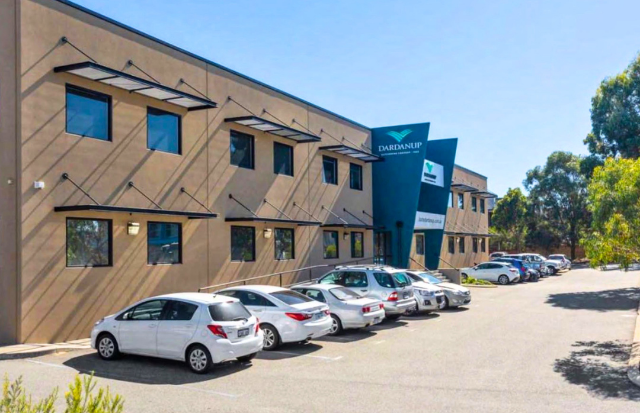
#{P1} Bibra Lake Industrial C IV | July 2026
A fully tenanted industrial asset located in Bibra Lake, a well-established industrial precinct in Perth, Western Australia. The property provides exposure to the resilient food processing and distribution sector, with an estimated investment duration of 12 months and monthly distributions.
The asset is leased to Cutting Cart Pty Ltd, a joint venture between Dardanup Butchering Company and Westpork Pty Ltd, which has occupied the property for 27 years. A bank guarantee covering 12 months of gross rent provides an additional layer of income security.
All investments carry risk, including risk of loss of principal.
Fully Funded Investments
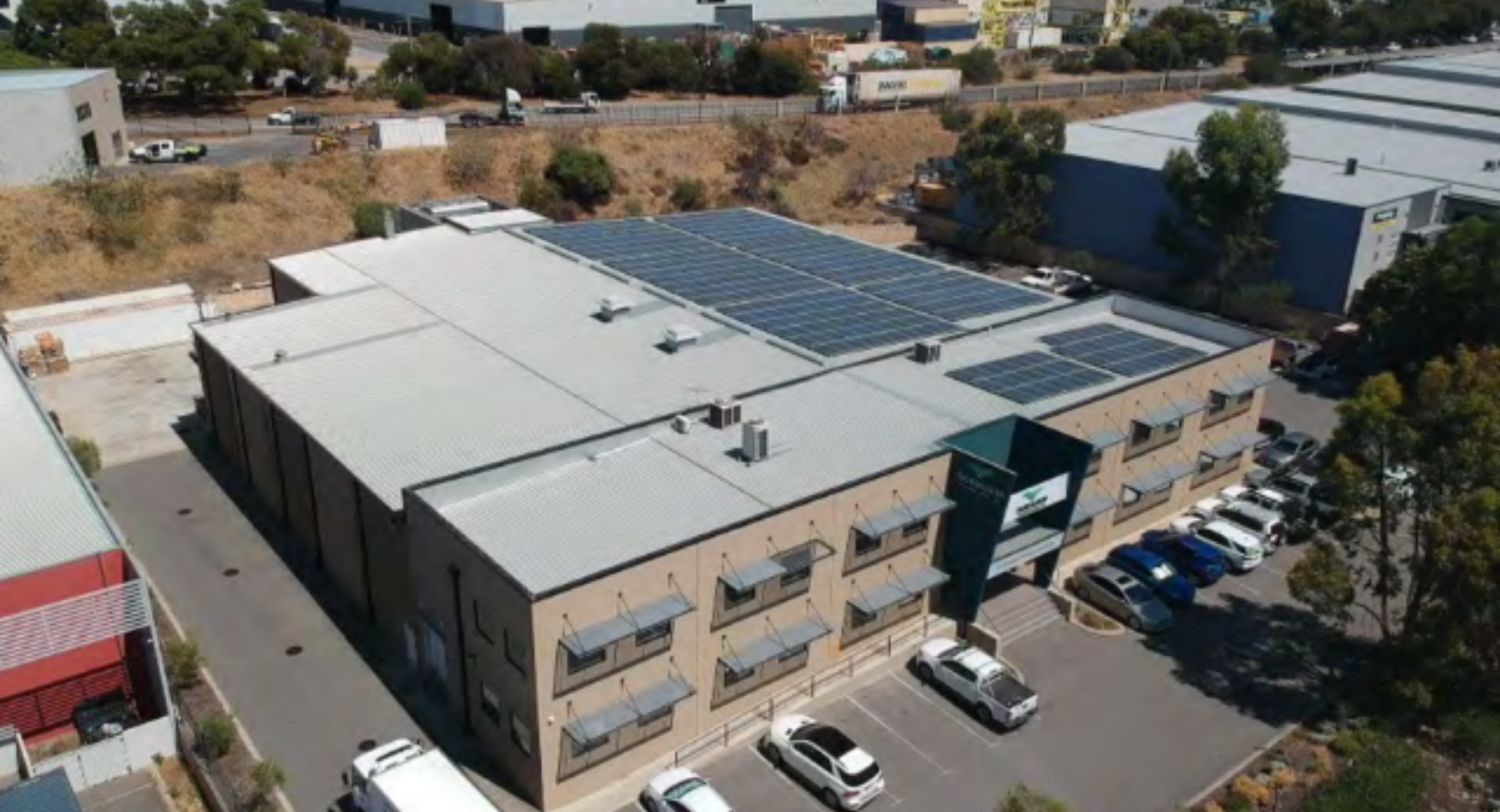
#{P1} Bibra Lake Industrial C V | July 2026
An opportunity to invest in a fully tenanted industrial asset in Bibra Lake, Perth, Western Australia, leased to Cutting Cart Pty Ltd, a joint venture between Dardanup Butchering Company (DBC) and Westpork Pty Ltd. (Westpork).
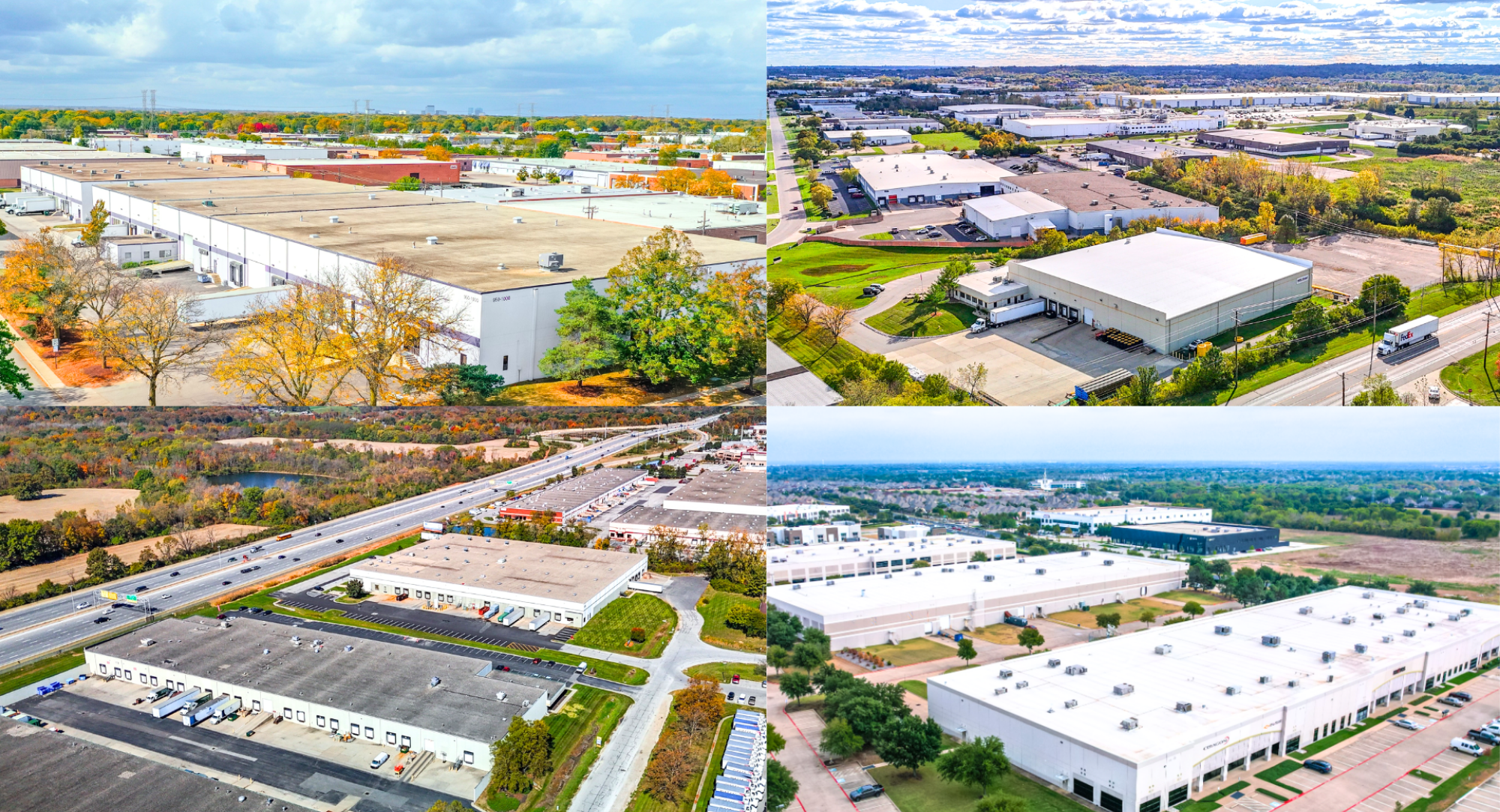
#{P1} Central Logistics Portfolio | July 2026
An acquisition of a 19-building, 1.4 million square foot Class B/B+ light industrial portfolio spanning four of the largest US logistics markets — Dallas-Fort Worth, Chicago, Indianapolis, and Cincinnati. The portfolio is leased to 52 tenants, with rents running approximately 13% below current market levels, providing meaningful rental upside over the hold period.

Key Performance Metrics
//transform_to_metric//
- 171 | Investments Executed
- 54 | Fully Realised
- 20.7% | Average net IRR (Realised equity investments)^1
- 7.2% | Average net annual return (Realised income investments)^2
As of: 11 August 2026
^1 Net IRR calculated on fully realised equity investments, weighted by invested capital and net of fees and taxes.
^2 Net annualised return calculated on fully realised income investments, net of fees and taxes.
#{C}#{C-LG} These metrics are historical, and not indicative or predictive of future performance.
Returns are not guaranteed.
//first_part_split//
Get the App
Access diversified property investments online
//transform_to_get_the_app_icon-1//


//second_part_split//
//transform_to_get_the_app_icon-2//

What's Making Headlines

Networking & Community
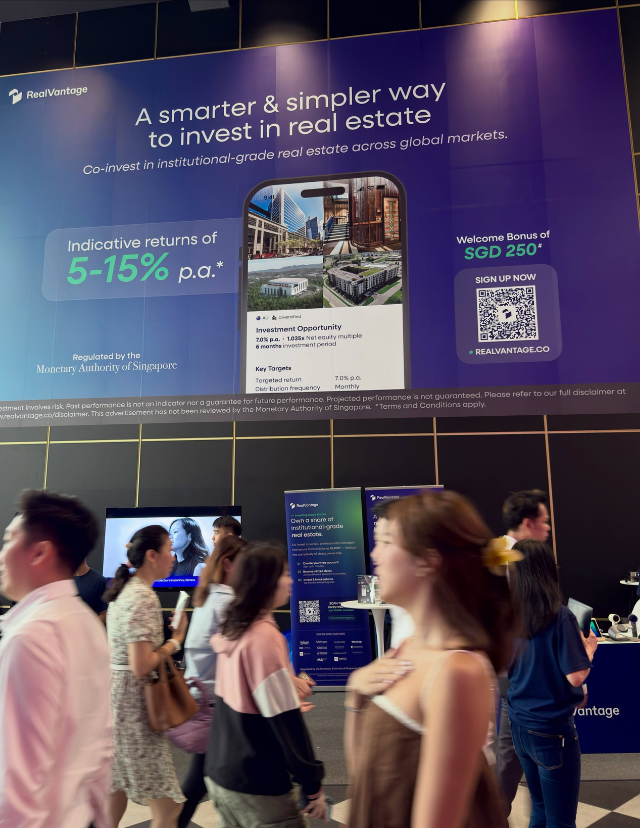
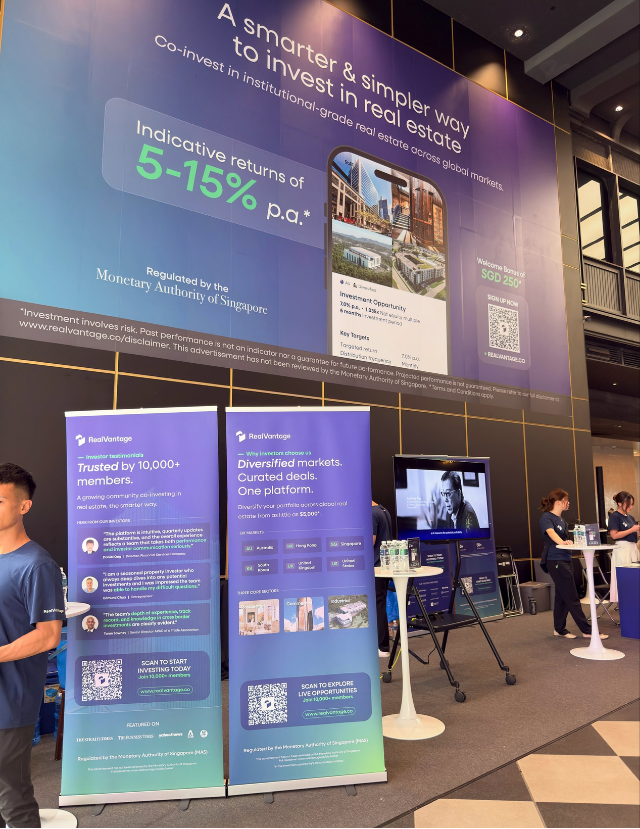

RealVantage at CIMB Plaza | 1-3 September 2026
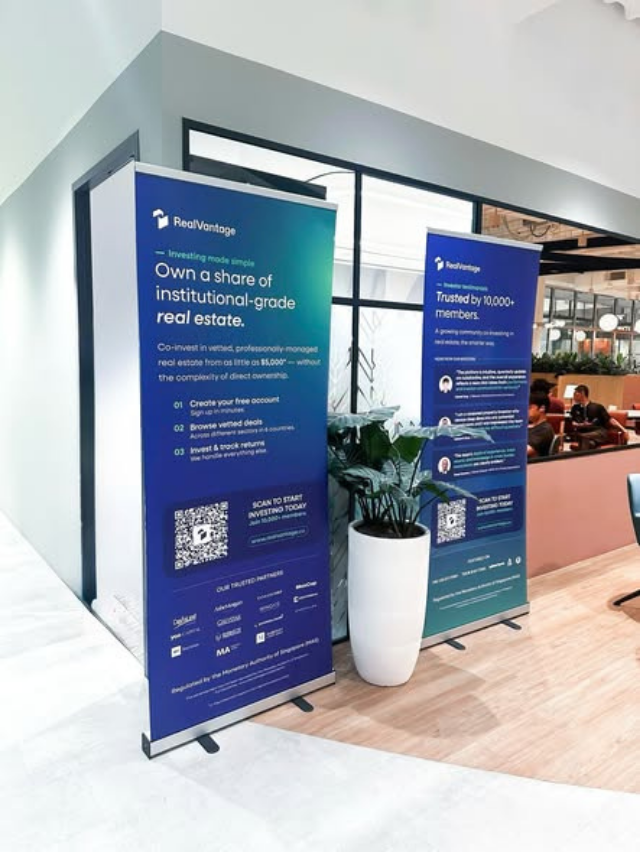
#{TA}#{TA-C} RealVantage connected with the wider community through a three-day activation at CIMB Plaza, where visitors enjoyed complimentary coffee, participated in giveaways and learned more about global real estate co-investing.


From Property to Posterity: AI, Innovation and the Future of Family Wealth | 4 August 2026
#{TA}#{TA-C} Organised by EY Hong Kong and the ULI Family Office Committee, the event brought together family-office principals, business leaders and real estate and technology professionals. RealVantage Hong Kong CEO Ivan Ho joined the discussion on how artificial intelligence is transforming real estate investment and operations.


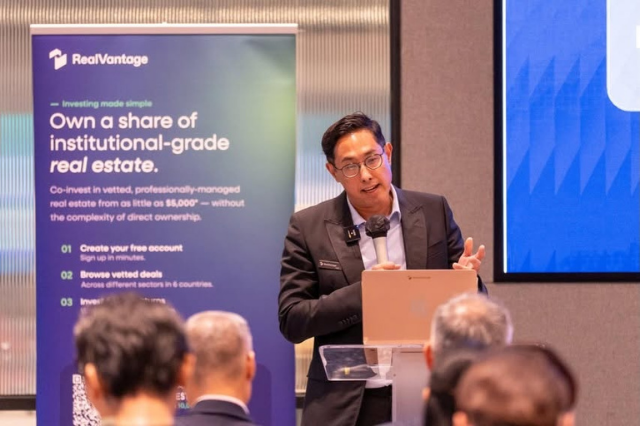
RealVantage x EdgeProp Investment Forum - The Real Estate Investment Playbook for the Next Cycle | 30 July 2026
#{TA}#{TA-C} RealVantage and EdgeProp Singapore brought investors and industry specialists together to explore the outlook for interest rates, capital flows, private credit and real estate investment opportunities in the next market cycle.
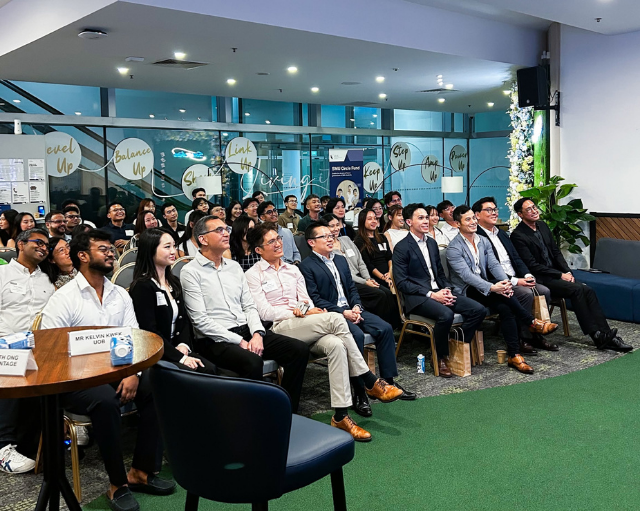
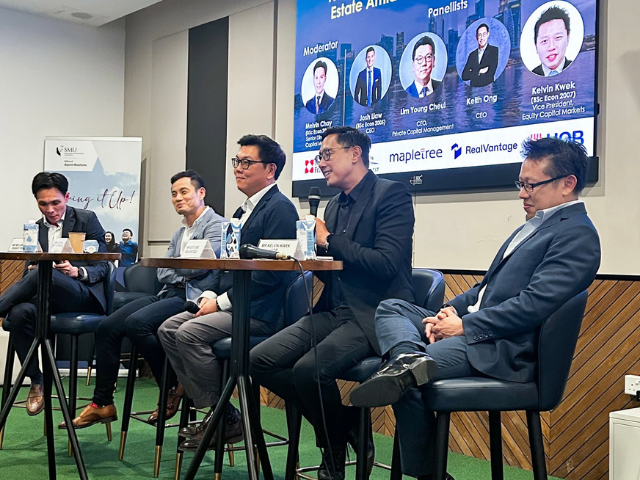
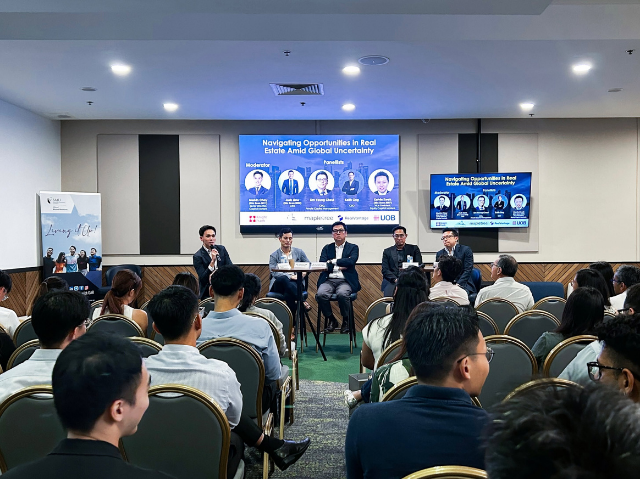
Mapletree Real Estate Career Panel & SMUREAL Networking Night | 19 July 2026
#{TA}#{TA-C} RealVantage CEO Keith Ong joined industry leaders to discuss the geopolitical, economic and technological forces shaping real estate investment. The event also provided an opportunity to exchange perspectives with industry professionals and engage the next generation of real estate talent.
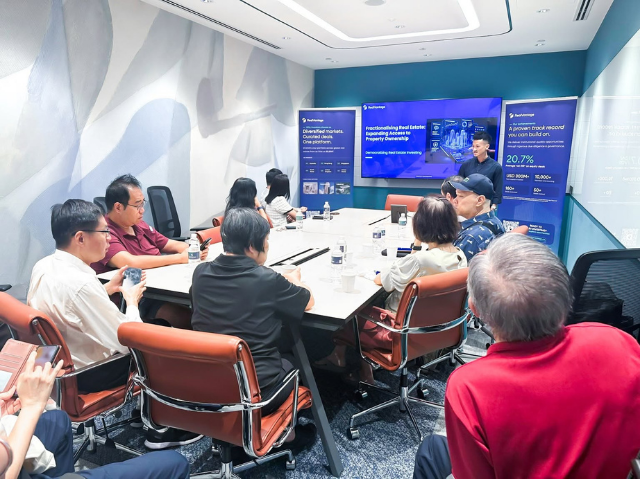

RealVantage Investor Lunch & Learn | 7 July 2026
#{TA}#{TA-C} RealVantage welcomed prospective investors for an afternoon of learning and conversation over lunch. The session explored how fractional real estate investing can make professionally managed property opportunities more accessible without the capital and complexity of direct ownership.
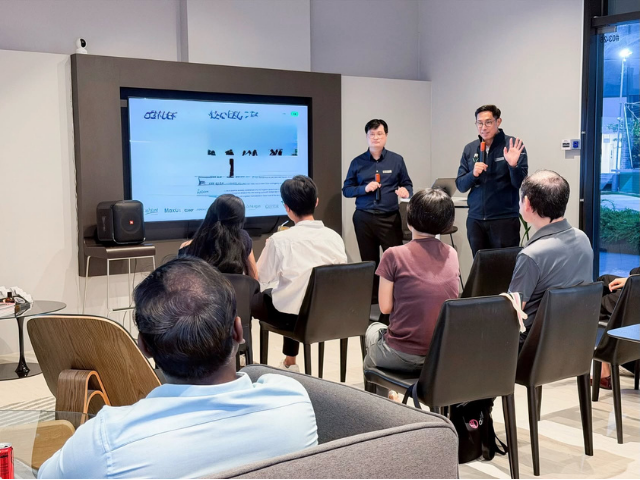

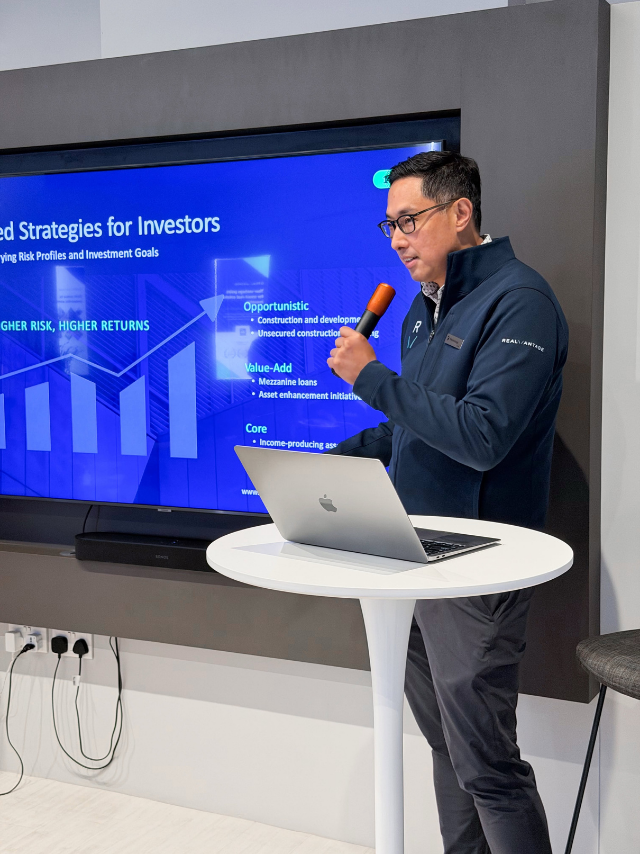
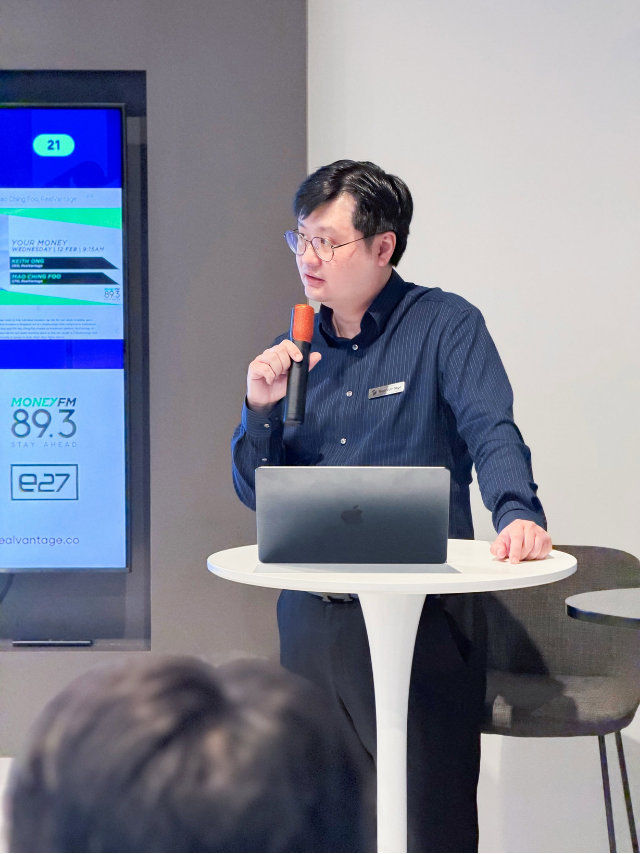


RealVantage Connect | 23 July and 13 August 2026
#{TA}#{TA-C} RealVantage Connect brought our investor community together beyond the platform for meaningful conversations, the exchange of investment perspectives and opportunities to connect with the people behind RealVantage.